



Experienced Transporters Don’t Trust Paperwork. They Trust Vehicle Verification.
Ask any transporter who’s been in the business for ten or fifteen years about the vehicles that caused the most trouble, and it’s rarely the ones bought from complete strangers. More often, it’s a vehicle purchased from a “known” dealer, a regular seller, or a broker they’ve worked with before-where the paperwork looked fine, everyone was in a hurry, and nobody thought to carry out proper vehicle verification.
That’s the pattern experienced fleet owners eventually learn the hard way: paperwork can be shown selectively. A verified registration record can reveal what the documents don’t.
A photocopy of an RC book only proves that a document exists. It doesn’t confirm whether the insurance is still active, whether the loan against the vehicle has been cleared, or whether the fitness certificate has quietly expired.
That gap-between what paperwork shows and what’s actually true right now-is where many vehicle-related losses in transport and logistics businesses begin.
Vehicle verification closes that gap by helping transporters check the vehicle’s actual records before making a purchase or adding it to their fleet.
The Difference Between “Documents Look Fine” and “The Record Is Clean”
Paperwork tells you what existed at some point in time. A registration certificate, once issued, doesn’t update itself to show that the insurance lapsed eight months later, or that a bank loan was taken out against the vehicle after the sale. Sellers aren’t always lying when paperwork looks outdated -sometimes they genuinely don’t know their insurance expired, or that a fitness renewal was missed by an operations team member. But “not lying” and “not a risk to you” are two different things.
This is why experienced transporters treat every vehicle the same way, regardless of how well they know the seller: check the live record, not the printed document. The record – pulled directly from registration and compliance data – shows the vehicle’s actual current status: active or lapsed insurance, cleared or pending hypothecation, valid or expired fitness certification, and ownership history exactly as it stands today.
Why Trust Alone Isn’t a Risk Strategy
“We’ve worked together before” is a relationship, not a guarantee. Vehicles change hands, get re-financed, get involved in disputes, or fall out of compliance between the time a seller last checked and the time you’re buying or leasing. A transporter who skips verification because “it’s a trusted seller” is making a bet on the seller’s memory and honesty being perfectly up to date – which is a lot to assume for something as consequential as a commercial vehicle purchase.
Experienced operators don’t run vehicle verification because they distrust people. They run it because verification isn’t about the seller at all – it’s about confirming the current, factual status of the asset itself. That distinction matters. It’s why seasoned fleet managers verify vehicles from their most reliable suppliers with the same discipline as they would a stranger’s listing.
What “The Record” Actually Shows
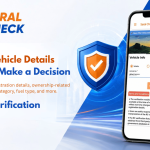
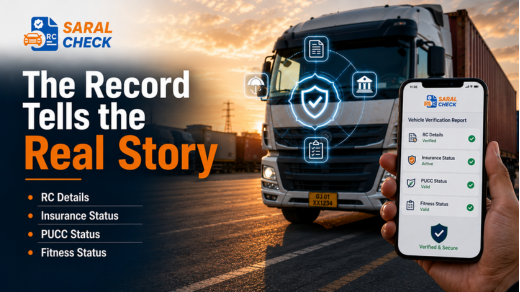
When transporters talk about trusting the record, here’s specifically what that record includes:
- Registration details – confirms the vehicle is legitimately registered, with make, model, and RTO details matching what’s claimed
- Insurance status – shows whether the policy is currently active, not just whether one was purchased at some point
- Hypothecation status – reveals if there’s an active bank loan against the vehicle, which is one of the most common and costly surprises in used vehicle deals
- Fitness certificate validity – critical for commercial vehicles, since an expired certificate can mean fines, delays, or a vehicle being pulled off the road mid-route
- Ownership history – confirms how many owners the vehicle has actually had, and whether the person selling it is the legal owner on record
None of this shows up clearly on a physical document handed over during a sale. It shows up when you check the registration number against current records.
What Happens When This Step Gets Skipped
A fleet owner managing trucks and delivery vehicles ran verification before dispatch, as usual, and found one driver’s license had expired and another was invalid for the assigned vehicle class – details that weren’t obvious from looking at a physical license. The vehicles were reassigned to verified drivers before any trip started, avoiding fines and delays that would have surfaced on the road instead of in the office.
In a similar case, a transport agency verified a new driver’s license before assigning a vehicle and found an issue that paused the hiring decision entirely – a problem caught before it became a compliance risk, not after.
These aren’t rare edge cases. They’re the exact reason verification has become a standard step for operators who’ve been in the business long enough to have been caught out once.
How Experienced Operators Verify Vehicles Without Slowing Down Operations
The reason verification hasn’t become a bottleneck for fleet owners who do it consistently is that it’s no longer a manual, RTO-visit process. With SaralCheck, checking a vehicle takes a few steps:
- Open the SaralCheck app or the vehicle verification page
- Log in with your mobile number
- Select Vehicle Verification
- Enter the vehicle’s registration number
- Review registration, insurance, hypothecation, and fitness status instantly
For fleet operators checking multiple vehicles before dispatch, or transporters verifying a purchase before payment, this fits into the existing workflow instead of adding a separate errand.
Building Verification Into Standard Practice
The operators who avoid the costliest surprises aren’t the ones with the most paperwork on file – they’re the ones who’ve made verification a non-negotiable step, applied consistently, regardless of how well they know the seller or how routine the transaction feels. It becomes less about catching fraud and more about simply confirming facts before money or responsibility changes hands.
That’s the real shift experienced transporters make over time: paperwork is treated as a starting point for a conversation, not the final word. The record is what actually settles it.
FAQs
Because a document only shows information as of when it was issued. Insurance can lapse, loans can be taken out, and fitness certificates can expire afterward – none of which shows on the original paperwork. Verification checks the vehicle’s current, live status rather than relying on the seller’s knowledge or the document’s age.
Paperwork is a static document that can be outdated or incomplete. “The record” refers to the vehicle’s current registration and compliance data – insurance status, hypothecation, fitness validity, and ownership -pulled directly and reflecting the vehicle’s status as of today.
The most common and costly risk is hypothecation – buying a vehicle that still has an active bank loan against it, which can create ownership transfer issues and unexpected financial liability for the buyer.
No. Vehicles can fall out of compliance or change financial status after a seller last checked them, regardless of how well the buyer knows them. Experienced fleet owners apply the same verification process to every vehicle, trusted seller or not.
With SaralCheck, entering a vehicle’s registration number returns registration, insurance, hypothecation, and fitness certificate status in under a minute – no RTO visit required.
The Record Doesn’t Lie
Paperwork can be outdated, incomplete, or simply wrong by the time it reaches you. The record – checked at the moment it matters – doesn’t have that problem. Before your next vehicle purchase, lease, or dispatch, check the registration number, not just the file handed to you.
👉 Verify Vehicle Details Instantly with SaralCheck