


Mobile Tracking: How It Works & Why It Matters for Vehicles
Knowing where a vehicle is during a trip is important for transporters, fleet owners, logistics companies, and businesses that regularly move goods. But not every vehicle has a dedicated GPS tracking device installed.
This is where mobile tracking can be useful.
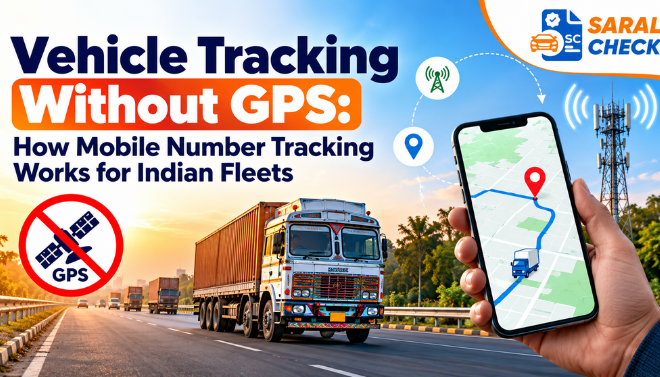
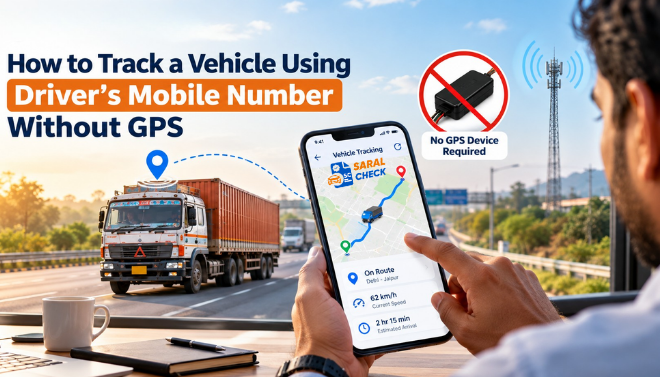
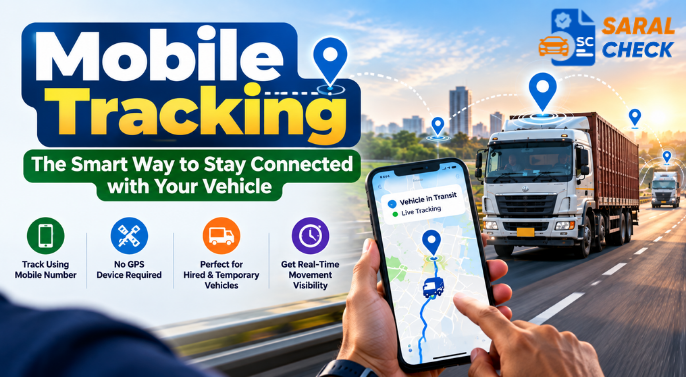
Mobile tracking allows businesses to get visibility into vehicle movement using the driver’s mobile phone and available mobile network connectivity. It can be especially helpful for hired vehicles, temporary trips, market vehicles, or situations where a dedicated GPS device is unavailable or not working.
Instead of depending only on installed tracking hardware, businesses can use the driver’s registered mobile number to get movement-related updates through a mobile-based tracking workflow.
What Is Mobile Tracking?
Mobile tracking is a vehicle monitoring method that uses a driver’s mobile phone and mobile network connectivity to provide visibility into vehicle movement.
In a mobile-based tracking workflow, the driver does not necessarily need a dedicated GPS tracking device installed in the vehicle. The driver’s mobile phone acts as the source through which movement information can be obtained.
This makes mobile tracking particularly useful when:
- A vehicle does not have a GPS device.
- A dedicated GPS device is temporarily unavailable.
- A business has hired a vehicle for a short-term trip.
- A market vehicle needs to be monitored.
- Installing hardware is not practical for a particular trip.
- A GPS device is not functioning as expected.
For transport businesses, this can provide an additional way to stay connected with vehicles during active trips.
How Does Mobile Tracking Work?
The basic idea behind mobile vehicle tracking is simple.
Instead of relying on a dedicated tracking device installed inside the vehicle, the tracking workflow uses the driver’s mobile phone and available network connectivity.
A typical process can work like this:
1. Enter the Driver’s Mobile Number
The authorized user enters the driver’s registered mobile number into the mobile tracking system.
2. The Driver’s Mobile Phone Connects to the Mobile Network
As the driver travels, the phone communicates with nearby mobile network infrastructure.
3. Movement Information Is Processed
The tracking system uses the available mobile-network information to determine movement-related information.
4. Vehicle Movement Can Be Viewed
The authorized user can view available movement information through the tracking platform or application.
Depending on the service and network availability, the information may help users understand:
- Vehicle movement
- Route direction
- Trip progress
- Major stoppages
- Recent movement
The exact level of visibility depends on mobile network availability and the tracking method being used.
Can You Track a Vehicle Using a Mobile Number?
Yes, vehicle movement can be tracked using a driver’s mobile number through supported mobile-tracking services.
The important point is that the mobile number is used to identify the driver’s phone associated with the trip. The tracking process then relies on the phone’s connectivity with the mobile network.
This can be useful for businesses that need vehicle visibility but do not want to install a dedicated tracking device for every temporary or hired vehicle.
However, mobile tracking should not be treated as identical to dedicated GPS/GNSS tracking. The two technologies use different tracking methods and have different operating conditions.
Mobile Tracking vs GPS Tracking
One of the most important things to understand is that mobile tracking and dedicated GPS tracking are not the same technology.
A dedicated GPS/GNSS tracking system generally uses a tracking device installed in the vehicle to determine its location.
Mobile tracking, on the other hand, uses the driver’s mobile phone and mobile network connectivity as part of the tracking workflow.
| Feature | Mobile Tracking | Dedicated GPS Tracking |
| Dedicated device | Not required for supported mobile-tracking workflows | Required |
| Installation | No vehicle hardware installation | Hardware installation required |
| Tracking source | Driver’s mobile phone/network | GPS/GNSS tracking device |
| Best for | Hired, temporary or GPS-unavailable vehicles | Regular fleet monitoring |
| Hardware dependency | Lower | Higher |
| Network dependency | Mobile network required | Device connectivity required |
| Temporary trips | Useful | May require device availability |
| Maintenance | No dedicated tracking hardware to maintain | Device maintenance may be required |
The right option depends on the vehicle, trip duration, business requirements, and the level of tracking detail required.
Why Is Mobile Tracking Useful for Transport Businesses?
Transport businesses often work with different types of vehicles.
A fleet may include:
- Owned trucks
- Hired trucks
- Market vehicles
- Temporary vehicles
- Contract vehicles
- Vehicles arranged for individual loads
Installing a GPS device on every vehicle may not always be practical.
For example, imagine a transporter books a truck from the open market for a one-time shipment. The vehicle does not have a compatible GPS device.
The transporter still needs to know:
“Where is my truck right now?”
Calling the driver repeatedly is inconvenient and can delay operations.
This is where mobile tracking can provide another option for getting movement visibility.
Key Benefits of Mobile Tracking
1. No Dedicated GPS Device Required
For supported mobile-tracking workflows, a dedicated GPS device does not need to be installed in the vehicle.
This can make the solution useful for temporary or hired vehicles.
2. Useful for Hired Vehicles
Transporters frequently hire vehicles from the market.
Mobile tracking can provide a practical way to monitor such vehicles when installing dedicated hardware is not feasible.
3. No Hardware Installation
Because the tracking workflow uses the driver’s mobile phone rather than a dedicated vehicle tracking device, there is no vehicle wiring or hardware installation involved.
4. Helps Reduce Driver Follow-Up Calls
Instead of repeatedly calling the driver for updates, transporters can use available tracking information to understand trip movement.
This can save time for both the transporter and driver.
5. Useful When GPS Is Unavailable
If a vehicle does not have a GPS device, mobile tracking can provide an alternative way to obtain movement visibility, subject to mobile network availability.
6. Suitable for Short-Term Trips
Businesses arranging one-time or short-term vehicle movements may not want to install tracking hardware for every trip.
Mobile tracking can be more practical in such situations.
7. Supports Better Trip Visibility
Knowing whether a vehicle is moving, progressing along its route, or has stopped can help transport teams coordinate their operations more efficiently.
When Should You Use Mobile Tracking?
Mobile tracking can be particularly useful in the following situations.
Hired or Market Vehicles
When a transporter books a vehicle from another owner and the vehicle does not have a dedicated GPS device.
Temporary Transportation
For short-duration transportation requirements where permanent tracking hardware may not be necessary.
One-Time Trips
When a vehicle is being used for a specific shipment or individual load.
GPS-Unavailable Vehicles
When the vehicle does not have GPS tracking or a dedicated tracking device is unavailable.
GPS Device Issues
When businesses need an alternative way to maintain movement visibility while dealing with GPS-device-related issues.
Small Fleet Operations
Small transporters may have a mix of owned and hired vehicles. Mobile tracking can provide another tracking option for vehicles that are not equipped with dedicated hardware.
Mobile Tracking for Trucks
For truck transport operations, vehicle visibility is important because shipments can travel across long distances and multiple routes.
A transporter may need to know:
- Has the truck started the trip?
- Is the vehicle moving?
- Is the trip progressing?
- Has the truck stopped?
- Is the vehicle moving in the expected direction?
- Does the customer need a trip update?
Mobile tracking for trucks can help provide movement visibility when a dedicated GPS device is not available.
It is especially relevant for hired trucks and market vehicles that may not be equipped with a transporter’s preferred GPS system.
Mobile Tracking for Fleet Management
Fleet management is not only about vehicles owned by a company.
Many businesses manage mixed fleets that include owned, hired, contracted, and temporary vehicles.
This creates a tracking challenge.
A company may have GPS installed on its own trucks but receive hired vehicles without tracking hardware.
Instead of using completely different processes for every trip, mobile tracking can serve as an additional tracking option for eligible vehicles.
It can help fleet teams maintain better visibility across different vehicle arrangements.
Is Mobile Tracking the Same as GPS Tracking?
No. Mobile tracking and GPS tracking are different approaches.
Dedicated GPS/GNSS vehicle tracking normally uses a tracking device installed in the vehicle to determine location.
Mobile tracking uses the driver’s mobile phone and mobile network connectivity as the basis for the supported tracking workflow.
Therefore, businesses should choose the method according to their requirements.
If you need detailed, dedicated fleet tracking with vehicle-installed hardware, a GPS-based solution may be more appropriate.
If you need movement visibility for a hired or temporary vehicle without installing a dedicated GPS device, mobile tracking can be a useful option.
What Are the Limitations of Mobile Tracking?
Like every tracking method, mobile tracking has some limitations.
Mobile Network Availability
The driver’s phone needs suitable mobile network connectivity for the tracking workflow to provide information.
Depends on the Driver’s Phone
The tracking process depends on the driver’s mobile phone. If the phone is unavailable, switched off, or does not have network connectivity, tracking visibility may be affected.
Not a Direct Replacement for Every GPS System
Mobile tracking should not be considered an identical replacement for dedicated GPS/GNSS tracking.
Businesses requiring specialized fleet telemetry, dedicated hardware-based tracking, or highly detailed vehicle data may need a dedicated GPS solution.
Tracking Detail Can Vary
The amount and frequency of movement information available can depend on the tracking method, mobile network conditions, and service implementation.
Understanding these limitations helps businesses choose the right tracking approach rather than expecting every tracking technology to work in exactly the same way.
How to Track a Vehicle Using a Mobile Number
The process is designed to be simple for transport businesses.
A typical SaralCheck mobile tracking workflow involves:
Step 1: Open the SaralCheck App
Access the SaralCheck application and log in using your registered details.
Step 2: Select Mobile Tracking
Choose the Mobile Tracking option from the available services.
Step 3: Enter Driver Information
Enter the driver’s mobile number and relevant details required for the trip.
Step 4: Start Tracking
Once the tracking process is initiated, the system uses the driver’s mobile phone and available network connectivity.
Step 5: View Vehicle Movement
You can then view available movement information through the platform.
This approach can be particularly useful when you need visibility for a vehicle that does not have a dedicated GPS tracking device.
What Information Can Mobile Tracking Provide?
Depending on the service and network conditions, mobile tracking can help provide visibility into aspects of a vehicle’s trip such as:
- Vehicle movement
- Route direction
- Trip progress
- Major stoppages
- Recent movement
- Driver-associated trip information
The information available can vary based on network connectivity and the tracking workflow.
The purpose is not necessarily to replace every feature of a dedicated GPS system but to provide a practical way to maintain vehicle movement visibility when a GPS device is not available.
Mobile Tracking vs Toll-Based Vehicle Tracking
Mobile tracking is also different from toll-based vehicle tracking.
Mobile tracking uses the driver’s mobile phone and mobile network connectivity.
Toll-based tracking uses vehicle movement information associated with toll-plaza crossings where such data is available.
| Tracking Method | Main Source | Best Use |
| Mobile Tracking | Driver’s mobile phone/network | Active trip movement visibility |
| GPS Tracking | Dedicated GPS/GNSS device | Dedicated fleet tracking |
| Toll-Based Tracking | Toll-plaza movement information | Confirmed highway/toll movement |
These methods should not be treated as interchangeable.
Each provides a different type of vehicle visibility and can be useful in different operational situations.
Who Can Benefit from Mobile Tracking?
Mobile tracking can be useful for a wide range of transportation and logistics users.
Transporters
Transporters can use mobile-based tracking to monitor hired or temporary vehicles during trips.
Fleet Owners
Fleet operators can use it as an additional tracking option for vehicles without dedicated GPS hardware.
Logistics Companies
Logistics teams can use movement visibility to improve coordination during transportation operations.
Brokers
Transport brokers can benefit when arranging vehicles from different sources where GPS availability may vary.
Shippers
Shippers can use available trip information to stay informed about transportation movement.
Small Transport Businesses
Small transporters may find mobile tracking useful when managing a combination of owned and hired vehicles.
Why Mobile Tracking Matters for Indian Transporters
India’s transportation ecosystem includes large fleets, small transporters, individual truck owners, brokers, market vehicles, and temporary vehicle arrangements.
This makes a single tracking method unsuitable for every trip.
A vehicle may have GPS today but a hired vehicle tomorrow may not.
A transporter may manage a fleet where some vehicles have tracking devices while others do not.
This is why flexible tracking options can be valuable.
Mobile tracking provides another way for transport businesses to maintain movement visibility without requiring a dedicated GPS device for every vehicle.
For businesses managing hired and temporary vehicles, this flexibility can simplify trip monitoring.
Why Choose SaralCheck for Mobile Tracking?
SaralCheck provides a mobile-based vehicle tracking option designed for situations where a dedicated GPS tracking device may not be available.
With SaralCheck Mobile Tracking, users can use the driver’s mobile number to initiate the supported tracking workflow and view available vehicle movement information.
It can be useful for:
- Hired vehicles
- Market vehicles
- Temporary trips
- Vehicles without GPS
- Short-term transportation
- Small and medium transport operations
The goal is simple:
Stay connected with your vehicle without depending on a dedicated GPS device for every trip.
SaralCheck Mobile Tracking at a Glance
| Feature | Details |
| Service | Mobile Tracking |
| Primary purpose | Vehicle movement visibility |
| Tracking input | Driver’s mobile number |
| Dedicated GPS device | Not required for supported mobile-tracking workflow |
| Tracking approach | Mobile/network-based |
| Suitable for | Hired, temporary and GPS-unavailable vehicles |
| Platform | SaralCheck |
| Suitable users | Transporters, fleet owners, brokers, logistics companies and shippers |
Frequently Asked Questions About Mobile Tracking
Mobile tracking is a vehicle monitoring approach that uses a driver’s mobile phone and mobile network connectivity to provide visibility into vehicle movement.
Yes. Supported mobile-tracking services can use the driver’s mobile number as part of the process for obtaining vehicle movement information.
Yes, supported mobile-tracking workflows can provide movement visibility without installing a dedicated GPS device, using the driver’s mobile phone and network connectivity.
No. Dedicated GPS/GNSS tracking uses a vehicle-installed tracking device, while mobile tracking uses the driver’s mobile phone and mobile network connectivity.
Yes. Mobile tracking depends on the driver’s phone having suitable mobile network connectivity.
Yes. It can be particularly useful for hired, temporary, or market vehicles that do not have a dedicated GPS tracking device.
It can provide an alternative way to obtain vehicle movement visibility in supported situations when a dedicated GPS device is unavailable.
Transporters, fleet owners, logistics companies, brokers, shippers, and other businesses involved in vehicle movement can use mobile tracking where it fits their operational requirements.
Conclusion
Mobile tracking gives transport and logistics businesses another practical way to stay connected with vehicle movement.
It can be particularly useful when vehicles are hired, temporary, or do not have a dedicated GPS tracking device. By using the driver’s mobile phone and available mobile network connectivity, businesses can obtain movement-related visibility without installing additional tracking hardware for every trip.
At the same time, mobile tracking should be understood as a different technology from dedicated GPS/GNSS tracking. The best option depends on the type of vehicle, trip, network availability, operational requirements, and level of tracking detail needed.
For transporters and fleet operators looking for a flexible way to monitor vehicles without dedicated GPS hardware, SaralCheck Mobile Tracking can be a useful option.