
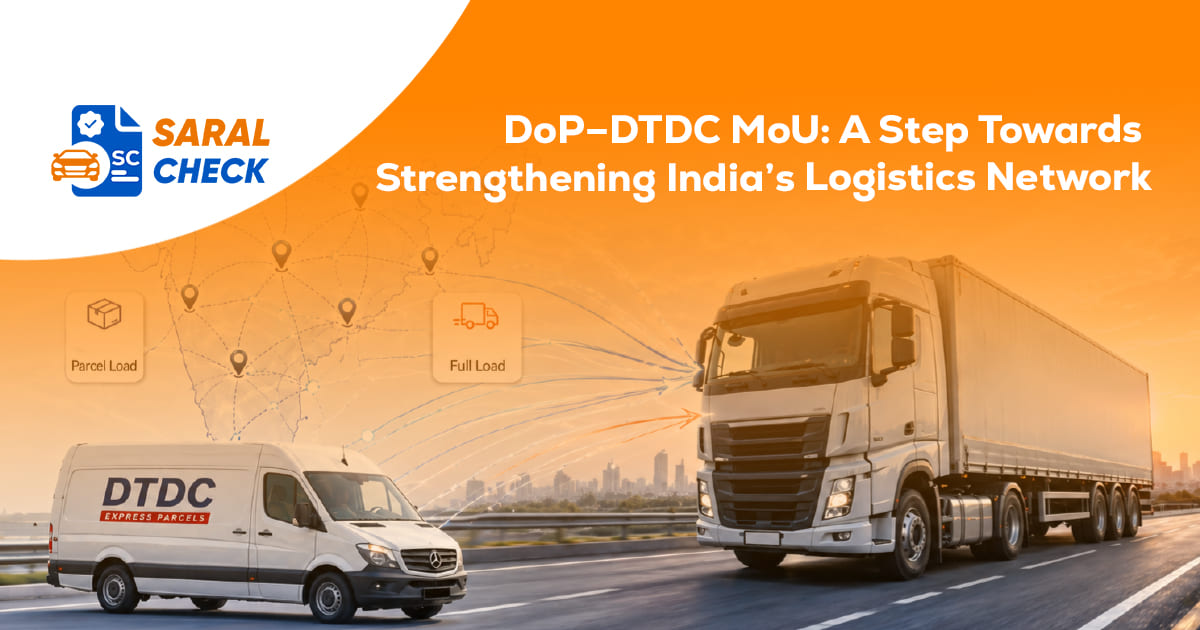
DoP–DTDC MoU: A New Step Toward Trusted Logistics in India
India’s logistics sector is moving from simple delivery coverage to a more advanced model of service reach, digital coordination, and operational accountability. The recent Memorandum of Understanding between the Department of Posts and DTDC Express Limited is an important signal of this change.
The agreement aims to improve logistics and e-commerce delivery by combining the Department of Posts’ national postal network with DTDC’s parcel delivery capability. With the Department of Posts’ presence across more than 1.64 lakh post offices, the partnership can support delivery reach in urban, semi-urban, and remote regions.
This is a positive development for India’s growing e-commerce economy. More delivery access means more customers can be served. More parcel movement means businesses can reach wider markets.
But delivery expansion also creates a new responsibility: the information connected with every delivery must be reliable.
Delivery Networks Are Becoming Information Networks
Earlier, logistics was mostly understood through vehicles, routes, warehouses, and delivery timelines. Today, that understanding is incomplete.
A modern delivery network is also an information network.
Every shipment moves with digital updates, customer messages, tracking links, delivery calls, COD payment instructions, address confirmations, and operational records. Businesses may also depend on driver details, vehicle information, documents, and compliance status before moving goods.
This means logistics is no longer only about whether a parcel reaches the customer. It is also about whether the information guiding that delivery can be trusted.
A wider delivery network can improve reach. But accurate information improves confidence.
Why This MoU Matters for the E-Commerce Ecosystem
The DoP–DTDC MoU can help strengthen India’s parcel delivery capacity. By using the Department of Posts’ wide postal network, DTDC can improve delivery access across locations that may otherwise be difficult to serve consistently.
This matters for e-commerce sellers, small businesses, and customers outside major metro cities. Better delivery coverage can support online selling, COD orders, and wider product access.
The agreement also reflects the increasing role of collaboration in logistics. Public infrastructure and private delivery capability are no longer working in isolation. They are becoming part of a larger system where reach, coordination, and service quality matter together.
However, as more users enter digital delivery systems, the chances of confusion, misuse, and unverified communication also increase.
The Hidden Risk Behind Routine Delivery Updates
Most parcel-related risks do not begin with something dramatic. They often begin with a normal-looking message.
A user may receive a link to “update address.”
A caller may ask for OTP to “confirm delivery.”
A message may ask for a small fee to “release a blocked parcel.”
A fake support number may appear during an online search.
These situations work because they look ordinary.
A customer waiting for a parcel may not question a delivery message immediately. A small payment request may not seem dangerous. A tracking link may look genuine at first glance.
This is why parcel communication needs caution. In a larger delivery environment, users must learn to separate genuine updates from suspicious ones.
Businesses Also Face Verification Challenges
The issue is not limited to common users. Businesses also operate in an environment where unchecked information can create risk.
Before goods are moved, businesses may need to rely on vehicle details, driver information, transport documents, challan status, or partner credentials. If these details are incomplete or not verified, the result may be delay, dispute, wrong handover, compliance risk, or loss of confidence.
For logistics teams, verification is not only a safety measure. It is part of operational discipline.
A delivery process becomes stronger when the information behind it is checked before action is taken.
Verification Is Becoming a Practical Logistics Requirement
As India’s logistics system becomes more service-driven and digitally dependent, verification is moving from a “good practice” to a practical requirement.
Users need verification to avoid unsafe links, fake payment requests, and misleading delivery calls.
Businesses need verification to improve handovers, reduce uncertainty, and make better decisions before goods are assigned or moved.
This does not mean every process must become complicated. It means important details should not be trusted only because they appear familiar.
A message can look professional and still be fake.
A document can look complete and still need checking.
A vehicle detail can be shared and still require validation.
A payment request can appear urgent and still be suspicious.
Verification helps bring clarity before action.
SaralCheck’s Natural Role in This Changing Environment
SaralCheck connects with this development through its focus on verification-led decision-making.
The DoP–DTDC MoU points toward a larger and more active delivery ecosystem. In such an ecosystem, users and businesses will interact with more messages, identities, documents, vehicles, and digital claims.
SaralCheck fits into this space by supporting the habit of checking important details before trusting them.
Its role is not to replace courier companies or official systems. Its role is to support awareness, caution, and confidence at the decision-making point.
For users, this means being alert before clicking a delivery link or responding to a payment request.
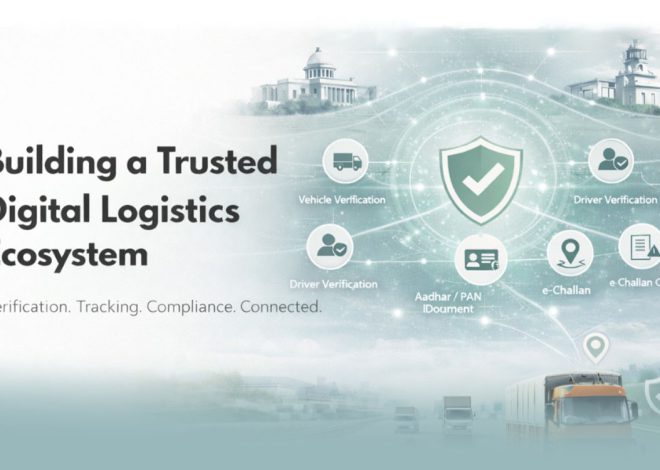
For businesses, this means checking vehicle verification, driver verification, document, or compliance-related details before making operational commitments.
This is where SaralCheck becomes relevant: it helps bring verification into everyday digital and logistics decisions.
From Delivery Reach to Delivery Reliability
The next stage of logistics growth will depend on two things.
First, delivery networks must expand to reach more users.
Second, the information flowing through those networks must remain reliable.
The DoP–DTDC MoU supports the first part by improving reach and service access. Verification-focused platforms support the second part by helping users and businesses act with more confidence.
This combination is important.
Reach brings convenience.
Reliability builds trust.
Verification connects both.
The Road Ahead
India’s logistics and e-commerce sector will continue to grow. More parcels will move. More users will depend on digital updates. More businesses will rely on transport partners, delivery networks, and operational information.
In this environment, trust cannot be passive. It must be built through clear checks, responsible action, and better awareness.
The DoP–DTDC MoU is a strong step toward wider delivery access. But the broader lesson is equally important: as logistics grows, the responsibility to verify also grows.
For SaralCheck, this is the key message.
A faster delivery network is valuable.
A wider logistics network is important.
But safer decisions begin when information is verified before it is trusted.