
Vehicle Verification Is the New Trust Layer in Digital Logistics
India’s logistics industry is evolving rapidly. Highways are becoming smarter, transportation systems are turning digital, and logistics businesses are relying more on technology to manage daily operations efficiently.
But despite this digital transformation, one challenge continues to create operational risks across the logistics ecosystem – lack of proper vehicle verification.
In today’s fast-moving transportation environment, trust plays a critical role. A single unverified vehicle can lead to delivery delays, compliance issues, fraud risks, operational confusion, and financial losses.
That is why vehicle verification is no longer just a routine process. It is becoming an essential trust layer in modern digital logistics.
As logistics networks become more connected through FASTag systems, GPS tracking, e-way bills, digital permits, and smart transportation infrastructure, businesses increasingly require accurate and verified vehicle information before making operational decisions.
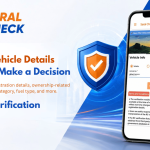
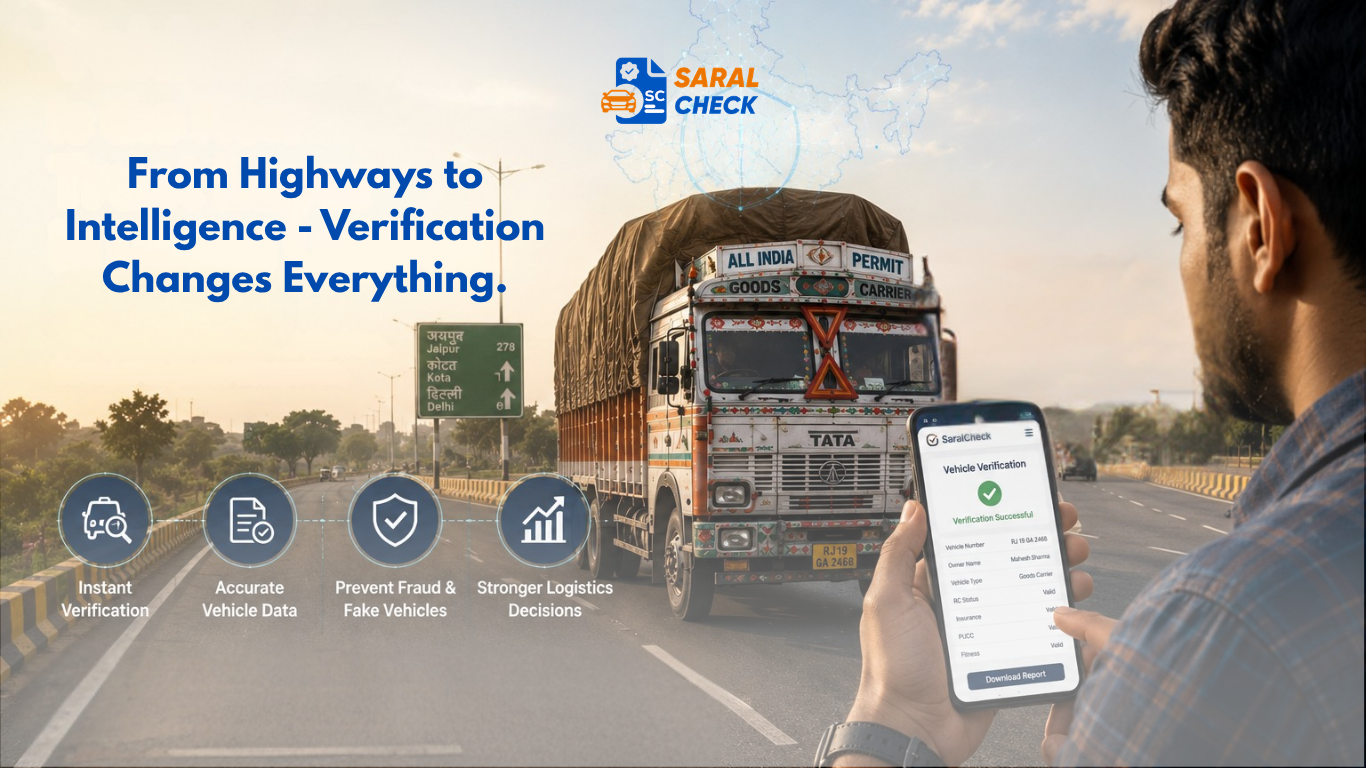
Solutions such as SaralCheck Vehicle Verification are helping businesses improve operational reliability by enabling faster and more structured verification processes.
Why Vehicle Verification Matters in Modern Logistics
For years, transport businesses depended heavily on manual verification methods. Vehicle documents were often shared through WhatsApp, physical copies, or fragmented communication channels.
This created several operational challenges, including:
- Incorrect vehicle information
- Fake vehicle registrations
- Delayed freight movement
- Compliance-related risks
- Fraudulent transportation activities
- Trust gaps between stakeholders
- Operational inefficiencies
As logistics operations continue to scale, manual verification methods are becoming increasingly difficult to manage.
Businesses today require faster, more reliable, and digitally validated systems to support smooth transportation operations.
Vehicle verification helps businesses confirm important commercial vehicle details before transportation activities begin, reducing operational uncertainty and improving decision-making.
The Growing Risk of Transportation Fraud
As logistics becomes more digital, fraud patterns are also evolving.
Manipulated vehicle records, fake registrations, duplicate documents, and identity mismatches are becoming serious concerns for transportation businesses.
A single incorrect vehicle assignment can affect:
- Delivery timelines
- Operational efficiency
- Customer confidence
- Payment processing
- Compliance management
To reduce these risks, many logistics companies are now prioritizing digital vehicle verification before assigning loads, onboarding transportation partners, or processing logistics transactions.
Verified transportation data improves transparency and helps businesses make more informed operational decisions.
Digital Logistics Requires Digital Trust
India is steadily moving toward intelligent transportation infrastructure.
FASTag systems, digital toll collection, e-way bill integration, GPS-enabled tracking, and smart highways are changing how freight movement operates across the country.
However, digital systems are only as reliable as the data behind them.
Vehicle verification acts as a foundational trust layer within digital logistics operations by helping businesses validate whether vehicle information is accurate, genuine, and operationally reliable.
This is especially important for sectors such as:
- Freight transportation
- Fleet management
- Supply chain operations
- Logistics marketplaces
- Commercial vehicle operations
- Transport compliance management
As logistics becomes increasingly data-driven, verified vehicle information is becoming critical for operational efficiency.
How Vehicle Verification Improves Logistics Operations
Modern vehicle verification systems help businesses improve visibility while reducing avoidable operational risks.
Improved Operational Accuracy
Verified vehicle information helps reduce transportation errors and data mismatches during dispatch and delivery operations.
Reduced Fraud Risks
Businesses can identify suspicious activities and avoid fake or manipulated vehicle records.
Better Compliance Management
Vehicle verification supports stronger compliance practices and improves documentation accuracy.
Faster Operations
Digital verification processes are significantly faster than manual checks, helping businesses save valuable operational time.
Stronger Business Trust
Verified transportation data creates greater confidence between transporters, brokers, logistics partners, and customers.
Smarter Decision-Making
Access to real-time verified information helps businesses make faster and more confident logistics decisions.
The Shift Toward Intelligent Transportation Systems
India’s transportation ecosystem is entering a new phase of digital transformation.
The focus is no longer limited to physical infrastructure such as roads and toll plazas. The industry is now moving toward intelligent transportation systems powered by automation, real-time data, interoperability, and digital verification.
Government initiatives related to FASTag, smart mobility infrastructure, and the National Logistics Policy are accelerating this shift.
In this evolving logistics environment, vehicle verification is becoming a core operational requirement rather than just a compliance process.
Businesses that adopt intelligent verification systems early are likely to be better prepared for the future of connected logistics.
Why Real-Time Vehicle Verification Matters
Traditional verification methods are often too slow for modern logistics operations.
Today’s transportation businesses operate in real time, where decisions frequently need to be made quickly and accurately.
Real-time vehicle verification helps businesses:
- Verify vehicle information instantly
- Improve logistics planning
- Reduce operational disruptions
- Minimize manual dependency
- Increase transportation transparency
- Improve customer confidence
As transportation systems continue to become more digital, businesses that rely entirely on manual verification processes may struggle to keep pace with operational demands.
Building the Future of Trusted Logistics
The future of logistics will not depend only on movement.
It will depend on trusted movement.
As India continues building smarter transportation infrastructure, digital trust systems such as vehicle verification will play an increasingly important role in logistics operations.
Modern logistics businesses now require systems that are:
- Fast
- Reliable
- Scalable
- Intelligent
- Data-driven
Vehicle verification is no longer only about checking vehicle details.
It is about building operational trust in a rapidly digitizing transportation ecosystem.
Solutions like SaralCheck Vehicle Verification are helping businesses create safer, smarter, and more transparent logistics operations through reliable verification processes.
In modern logistics, technology alone is not enough.
Verified intelligence is what truly builds trust.