



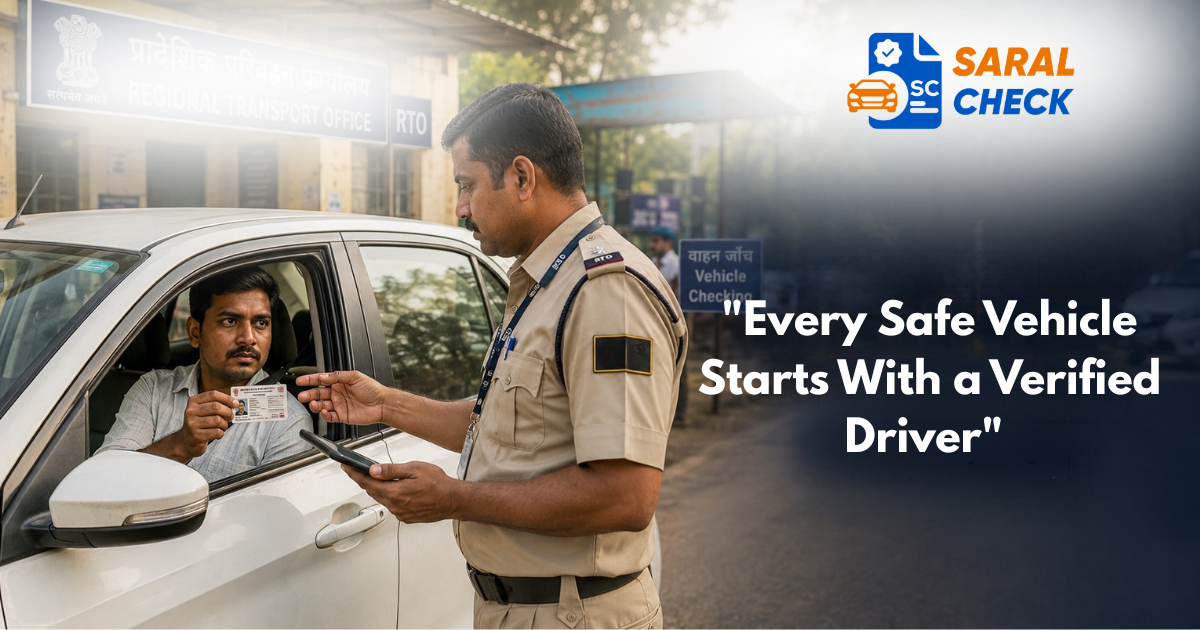
Why Driver License Verification Is Becoming Essential in Modern Fleet Management
Managing a modern fleet is no longer just about maintaining vehicles and ensuring timely deliveries. Today’s fleet managers are responsible for improving road safety, reducing operational risks, maintaining regulatory compliance, and protecting their businesses from fraud. In this evolving landscape, driver license verification has become one of the most important steps in fleet management.
Whether a company operates a small fleet or manages hundreds of commercial vehicles across multiple locations, verifying driver credentials before onboarding and throughout employment is essential. A single unverified driver can expose a business to safety concerns, compliance violations, financial losses, and reputational damage.
What Is Driver License Verification?
Driver license verification is the process of validating a driver’s license details to confirm that the license is genuine, valid, and authorized for the type of vehicle being operated.
For fleet operators, this process helps ensure that drivers possess the necessary qualifications and legal authorization to drive commercial vehicles. It also enables businesses to identify expired, suspended, invalid, or potentially fraudulent licenses before they become a risk to operations.
As fleet management becomes increasingly data-driven, driver verification is no longer viewed as a one-time hiring activity. It is becoming an ongoing risk management practice.
Why Driver Verification Matters More Than Ever
The transportation and logistics industry is changing rapidly. Fleet operators are hiring drivers across multiple regions, expanding operations, and increasingly relying on temporary or contract-based drivers to meet business demands.
At the same time, regulatory requirements, safety expectations, and customer expectations continue to rise.
This combination of growth and complexity makes driver verification more important than ever before.
Improved Fleet Safety
Road safety begins with qualified drivers. Even the most advanced vehicles and fleet management systems cannot compensate for drivers who lack the proper authorization or qualifications.
Verifying driver licenses helps businesses confirm that drivers are legally eligible to operate specific vehicle categories. This reduces the likelihood of compliance issues and contributes to safer transportation operations.
For fleet managers, every verification check is a proactive step toward reducing safety-related risks.
Protection Against Fraudulent Documents
Document fraud remains a challenge for transport businesses. In some cases, organizations unknowingly hire drivers using forged, altered, or invalid licenses.
These issues may not become apparent until an accident occurs, a compliance audit takes place, or law enforcement authorities conduct inspections.
By implementing a structured driver verification process, businesses can identify discrepancies early and reduce the risk of onboarding drivers with questionable credentials.
Stronger Compliance Management
Transport companies must comply with multiple regulations and legal requirements. Hiring drivers without valid licenses can lead to penalties, legal complications, and disruptions to business operations.
Driver license verification helps organizations maintain accurate records and ensure that drivers continue to meet licensing requirements throughout their employment.
Regular verification also supports audit readiness and demonstrates a commitment to responsible fleet management practices.
Reduced Operational Risks
A driver’s license can change status over time due to expiry, suspension, or other factors. Without a monitoring process in place, businesses may unknowingly allow non-compliant drivers to continue operating vehicles.
This can lead to delivery disruptions, increased liability exposure, and avoidable operational challenges.
By verifying driver credentials at onboarding and conducting periodic checks, fleet operators can identify potential issues before they affect daily operations.
Faster and More Reliable Driver Onboarding
The demand for qualified drivers continues to grow across the logistics and transportation sector. However, speed should never come at the expense of due diligence.
Driver’s license verification enables businesses to make hiring decisions with greater confidence while reducing the risk of human error associated with manual document reviews.
For organizations managing large fleets, a streamlined verification process can significantly improve onboarding efficiency without compromising compliance standards.
How Technology Is Transforming Driver Verification
Modern verification solutions allow businesses to validate driver information more efficiently and consistently. Digital verification platforms such as SaralCheck enable organizations to simplify verification workflows, maintain accurate records, and support ongoing compliance requirements without relying solely on manual checks.
Fleet managers can access important details such as:
- License validity status
- License expiry information
- Authorized vehicle categories
- Driver credential authenticity
- Verification history and records
By integrating verification into daily operations, businesses can improve transparency, reduce administrative workloads, and make more informed fleet management decisions.
Essential Driver Verification Practices
Driver license verification should be a regular part of the verification process rather than a one-time check. Verifying driver details before assigning responsibilities and conducting periodic checks can help ensure that license information remains valid and up to date.
It is also important to maintain accurate records, monitor license expiry dates, and verify driver information whenever required. Combining driver verification with vehicle verification can provide greater confidence in day-to-day operations and help organizations make informed decisions.
By following these practices, businesses can improve verification accuracy, reduce the chances of incorrect information, and build a more reliable verification process.
Frequently Asked Questions
Driver license verification is the process of validating a driver’s license information to confirm that it is genuine, valid, and authorized for vehicle operation.
It helps improve safety, reduce fraud risks, support regulatory compliance, and minimize operational disruptions caused by invalid or unauthorized drivers.
Fleet operators should verify licenses during onboarding and conduct periodic reviews to ensure continued compliance.
Yes. Verifying driver credentials can help identify fraudulent, altered, or invalid licenses before drivers are assigned operational responsibilities.
Depending on the verification process, businesses can confirm license validity, expiry details, authorized vehicle categories, and other relevant driver credential information. Add question
Looking Ahead
Modern fleet management requires more than vehicle maintenance and route planning. It requires confidence in the people operating those vehicles every day.
As transportation businesses face growing compliance requirements, safety expectations, and fraud risks, driver license verification has become a critical component of responsible fleet operations.
By implementing a structured verification process, fleet operators can improve safety, strengthen compliance, reduce operational risks, and build greater trust across their transportation network.
In today’s logistics environment, driver license verification is no longer just a compliance requirement-it is a strategic business necessity.