



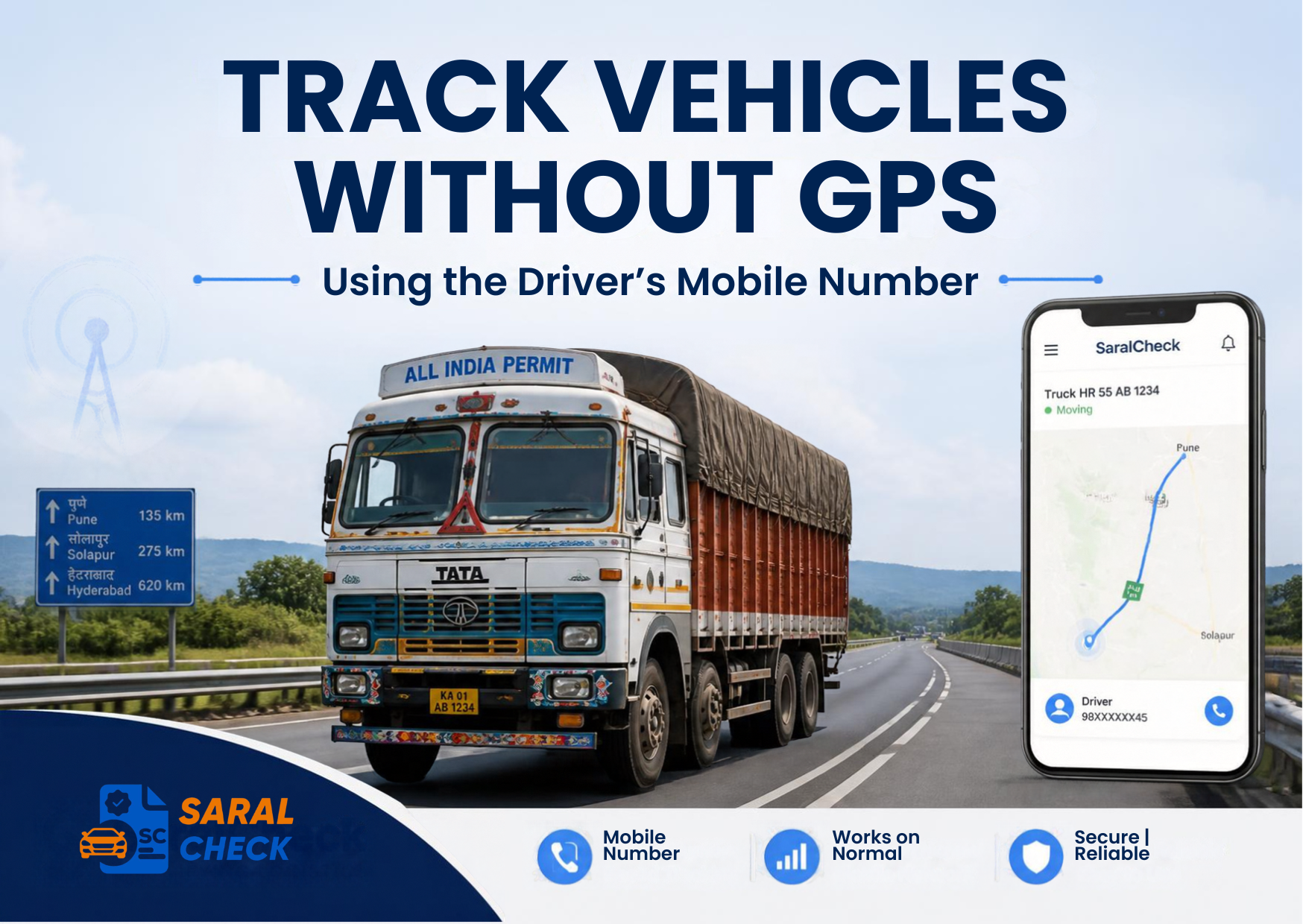
How Mobile Tracking Helps Transporters Track Vehicles Without GPS
Ask any transporter in India a simple question: does every truck in your fleet have a working GPS? Most will pause before answering.
Some trucks never had a GPS fitted in the first place. Others had one installed years ago that stopped working after a power fault or a network dead zone. And then there are the hired vehicles, the ones you rent for a single trip and hand back the next day, where fitting a tracker just isn’t practical.
This is the everyday reality of Indian transport. And it’s exactly why so many transporters, brokers, and fleet owners are turning to a simpler idea: track vehicles without GPS, using nothing more than the driver’s mobile phone.
What Does It Mean to Track a Vehicle Without GPS?
When people hear “vehicle tracking,” they usually picture a small hardware box wired into the truck, talking to satellites overhead. That’s GPS tracking, and it works well when it’s installed and functioning.
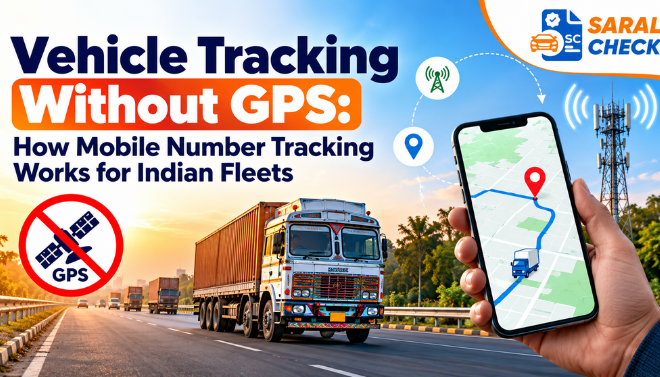
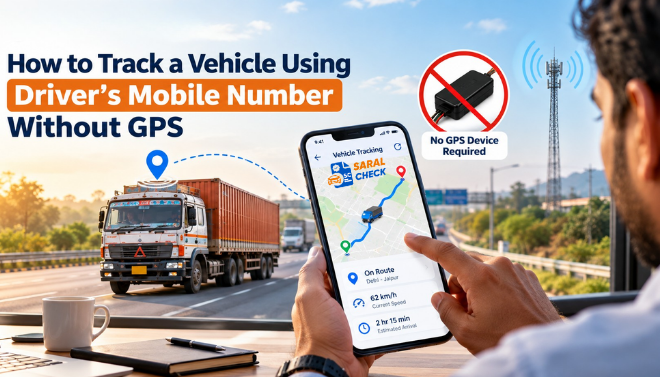
But GPS isn’t the only way to know where a vehicle is. Every driver already carries a phone, and that phone is constantly in touch with nearby mobile network towers. By using the driver’s registered mobile number, a tracking system can estimate the vehicle’s location based on which towers the phone is connecting to along the route.
No satellite hardware. No wiring. No installation appointment. Just a mobile number and a working network signal.
This is the idea behind mobile tracking, and it’s a genuine answer for anyone who needs to track vehicles without GPS but still wants to know where a trip stands.
Why Transporters Are Looking Beyond Traditional GPS
GPS devices are useful, but they come with real-world limitations that most transporters have run into at some point.
Common problems with GPS-only tracking:
- The device stops working after a power or wiring fault, and nobody notices until the screen goes blank mid-trip
- Older or budget vehicles were never fitted with GPS in the first place
- Hired or market vehicles come and go, so installing a permanent device doesn’t make financial sense
- One-time or short-term trips don’t justify the cost and effort of fitting a tracker
- Rural stretches sometimes have patchy satellite reception, even when the device itself is fine
None of this means GPS is a bad idea. It just means it isn’t always available, and transporters need a backup plan for those gaps. That’s where the ability to track vehicles without GPS becomes genuinely valuable, not just as an alternative, but as insurance against the days when GPS lets you down.
How Mobile Tracking Actually Works
The process is simpler than most people expect. Here’s how it typically plays out:
- The transporter or dispatcher enters the driver’s mobile number into a tracking app before the trip starts.
- As the vehicle moves, the driver’s phone connects to whichever mobile network tower is nearest at any given point.
- The app receives location updates based on these tower connections, not GPS satellites.
- This information appears on a simple dashboard, showing the direction of movement and any long stops along the way.
- The transporter can check this whenever they need to, without calling the driver to ask “where are you now?”
Because this method relies on mobile network coverage rather than satellite signal, it tends to hold up well even in the mixed terrain and traffic conditions common on Indian highways and city routes.
Mobile Tracking vs. Traditional GPS Tracking
It helps to see the two side by side, since each has its place.
| Factor | Traditional GPS Tracking | Mobile Tracking |
| Hardware needed | Dedicated GPS device | Just a smartphone |
| Installation | Requires wiring and setup | None required |
| Best suited for | Owned, long-term fleet vehicles | Hired, temporary, or backup vehicles |
| Cost | Device purchase plus fitting | Usually far lower, no hardware cost |
| Works when GPS fails | No | Yes, acts as a fallback |
Many experienced fleet owners don’t pick one over the other. They use GPS for their core fleet and lean on mobile tracking to track vehicles without GPS whenever a hired truck, a temporary route, or a technical glitch leaves them without a signal.
Who Benefits Most From This Approach
Mobile tracking isn’t a niche tool. It fits a wide range of people involved in day-to-day transport operations.
- Transporters who take on last-minute loads and can’t wait for a GPS device to be fitted
- Fleet owners who want a low-cost backup for the days when their regular tracking hardware fails
- Brokers who arrange vehicles they don’t own and have no control over GPS installation
- Logistics coordinators managing a mixed fleet of owned and hired trucks on the same route
- Small business owners with just one or two vehicles, where a full GPS setup isn’t cost-effective yet
If you’ve ever found yourself calling a driver three times in an afternoon just to ask where the truck is, this kind of tracking solves that problem directly.
A Quick Look at Real Situations
Picture a transporter who gets an urgent order in the evening. He hires a truck within the hour, but it has no GPS fitted, and the driver doesn’t know the route well. Rather than staying anxious all night, he enters the driver’s number into a mobile tracking app and follows the trip’s progress until the delivery is confirmed.
Or think about a fleet owner halfway through a long highway haul when the GPS signal simply drops. The truck keeps moving, but the dashboard goes blank. Switching to mobile tracking using the driver’s phone number gets the visibility back within minutes, using the mobile network instead of satellites.
These aren’t rare edge cases. They happen often enough that having a way to track vehicles without GPS isn’t a luxury anymore. It’s part of running a transport business without constant guesswork.
What to Look for in a Mobile Tracking Tool
Not every tracking app handles this well. A few things are worth checking before you rely on one for daily operations.
- Ease of use: You should be able to start tracking with just a mobile number, no complicated setup
- Clear trip visibility: Look for updates on direction, movement, and major stoppages, not just a dot on a map
- Works across vehicle types: A good tool doesn’t care whether it’s a hired mini-truck or your own long-haul vehicle
- Reasonable accuracy: Since this method depends on network towers, expect general location visibility rather than pinpoint precision, and choose a tool that’s upfront about this
- Security: Tracking should require the driver’s knowledge and consent, and location data should stay protected
Saral Check’s mobile tracking feature is built around exactly this need. It lets you track a vehicle using the driver’s registered mobile number, with no GPS device or installation required, which makes it a practical fit for hired vehicles, backup tracking, and daily fleet operations across India.
Frequently Asked Questions
Yes. By using the driver’s mobile number and nearby network towers, you can get reasonable visibility into a vehicle’s movement and stops, without any GPS device fitted to the truck.
It works on any smartphone that has an active mobile network connection. There’s no need for a special device or app installed on the vehicle itself, just the driver’s regular phone.
Not quite, since it depends on network towers rather than satellites. It gives you a good sense of direction, progress, and stoppages, which is often enough for day-to-day trip monitoring.
Yes, and this is actually where mobile tracking is most useful. Since there’s nothing to install, it works just as well for a truck you’re using once as for one you own permanently.
Tracking pauses until the phone reconnects to a tower, similar to how a phone call would drop and reconnect. Once signal returns, location updates resume automatically.
It doesn’t have to be. Many transporters use it alongside GPS, relying on it specifically for vehicles without a GPS device or as a backup when GPS tracking fails mid-trip.
Bringing It All Together
Not every truck on Indian roads has a GPS device, and that’s not going to change overnight. What has changed is that transporters no longer need to accept blind spots as part of the job. As long as a driver’s phone has network coverage, there’s a way to track vehicles without GPS and still know where a trip stands.
If you manage hired vehicles, run a mixed fleet, or just want a reliable backup for the days your GPS lets you down, it’s worth exploring how mobile tracking fits into your operations. You can see how it works in more detail on Saral Check’s mobile tracking page.