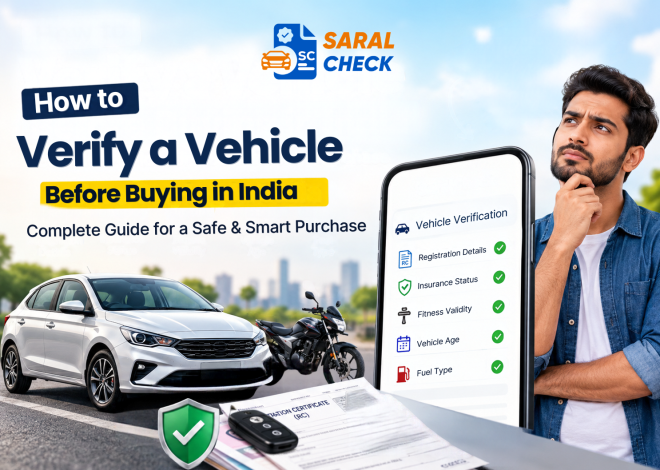




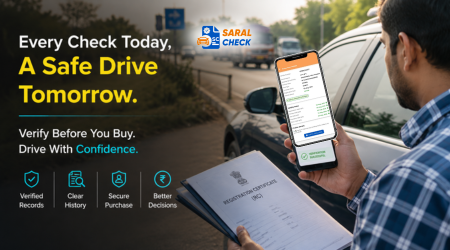
Vehicle Verification: Why Every Buyer Should Verify a Vehicle Before Making a Purchase
Buying a vehicle is a major financial decision, whether it’s your first car, a second-hand SUV, a commercial truck, or an entire fleet for your business. Most buyers spend hours comparing prices, inspecting the vehicle’s condition, and negotiating with sellers. However, one crucial step is often overlooked – Vehicle Verification.
Imagine finding what appears to be the perfect used vehicle at an attractive price. The engine runs smoothly, the exterior looks well-maintained, and the seller confidently assures you that all the documents are genuine. Excited about the deal, you complete the payment without checking the vehicle’s official records.
A few days later, while initiating the ownership transfer, you discover that the vehicle still has an active loan, the insurance policy has expired, or the registration details don’t match the official records. What initially seemed like a smart purchase quickly becomes a stressful experience involving paperwork, unexpected expenses, and legal complications.
Unfortunately, these situations are more common than most buyers realize.
With India’s rapidly growing used vehicle market, buying and selling vehicles has become easier than ever. Online marketplaces, dealerships, and individual sellers offer thousands of options every day. While this provides buyers with more choices, it also increases the chances of purchasing a vehicle with incomplete documentation, financial liabilities, or compliance issues.
This is why Vehicle Verification should never be treated as an optional step. It helps individuals and businesses verify a vehicle’s legal, financial, and compliance records before making any commitment. Instead of relying solely on a seller’s statements or physical inspection, buyers can make informed decisions based on verified information.
Whether you’re purchasing a personal vehicle, expanding your transport fleet, onboarding commercial vehicles, or managing logistics operations, verifying vehicle records protects your investment and minimizes unnecessary risks.
What is Vehicle Verification?
Vehicle Verification is the process of validating a vehicle’s official records to ensure that the information provided by the seller matches authorized government and compliance databases.
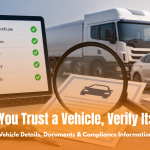
Rather than depending only on photocopies of documents or verbal assurances, vehicle verification allows buyers to review important information such as:
- Registration details
- Vehicle ownership information
- Insurance status
- Hypothecation (loan) status
- Registration validity
- Commercial fitness certificate (where applicable)
- Vehicle make, model, fuel type, and registration date
Think of Vehicle Verification as a background check for a vehicle.
Just as companies verify employee credentials before hiring, buyers should verify a vehicle’s history before investing their money. A vehicle may look perfect from the outside, but its documentation reveals whether it is legally compliant, financially clear, and ready for ownership transfer.
This simple verification process helps reduce uncertainty while giving buyers greater confidence before making a purchase.
Why Vehicle Verification Matters More Than Ever
India has one of the world’s largest automotive and transportation industries. Millions of vehicles operate daily across cities, highways, and industrial corridors. At the same time, the demand for pre-owned vehicles has increased significantly due to affordability and wider availability.
However, a growing market also creates greater opportunities for documentation errors, incomplete ownership transfers, fraudulent listings, and hidden financial obligations.
Many buyers focus primarily on factors such as mileage, engine condition, tyre quality, and service history. While these are important, they represent only the physical condition of the vehicle.
The legal status of a vehicle is equally important.
Without proper verification, buyers may unknowingly purchase vehicles with unresolved issues that become visible only during ownership transfer or insurance renewal.
Some of the most common risks include:
- Vehicles still under finance or hypothecation
- Expired or inactive insurance policies
- Incorrect registration details
- Ownership mismatches
- Expired fitness certificates for commercial vehicles
- Missing or outdated compliance documents
- Delays in ownership transfer
For businesses, these issues can lead to operational disruptions, regulatory penalties, delayed deliveries, and unnecessary administrative costs.
A few minutes spent verifying vehicle records before purchase can save weeks of paperwork and thousands of rupees in unexpected expenses later.
Hidden Risks of Buying a Vehicle Without Verification
Many documentation problems remain invisible until after the payment has been made. This is why Vehicle Verification acts as a preventive measure rather than a corrective one.
For example, if a vehicle still has an active loan, ownership cannot be transferred until the lender removes the hypothecation from official records. Similarly, expired insurance means the vehicle cannot be legally driven until the policy is renewed.
Commercial vehicle operators face additional risks. An expired fitness certificate or invalid registration can interrupt fleet operations, delay deliveries, and affect business compliance.
Instead of discovering these issues after purchase, Vehicle Verification allows buyers to identify them beforehand and make informed decisions with confidence.
What Information Should You Always Verify Before Buying a Vehicle?
A vehicle’s appearance can reveal its condition, but its official records reveal its legal and financial status. Before making any payment, buyers should verify the following details to avoid unexpected complications later.
1. Registration Details
The Registration Certificate (RC) is one of the first documents you should verify. Ensure that the registration number, vehicle class, manufacturer, model, fuel type, registration date, and chassis details match the official records.
Even a small mismatch between the documents and official data can create delays during ownership transfer or insurance renewal.
2. Ownership Information
Always verify whether the seller is the legitimate owner of the vehicle. Ownership records should align with the documents shared during the transaction.
If the seller is acting on behalf of someone else, ask for proper authorization and supporting documents. This simple verification step helps reduce the chances of ownership disputes and fraudulent transactions.
3. Insurance Status
Driving without valid insurance is both risky and illegal. Before finalizing your purchase, check whether the vehicle’s insurance policy is active and note its expiry date.
If the insurance has already expired, factor the renewal cost into your purchasing decision.
4. Hypothecation Status
Many vehicles are purchased through bank or NBFC financing. Even after a loan is fully repaid, the hypothecation must be officially removed from the vehicle’s records.
If the lender’s name still appears in the records, ownership transfer may not proceed until the necessary formalities are completed.
5. Registration Validity
Ensure that the vehicle’s registration remains valid and that there are no pending documentation issues affecting its legal operation.
Commercial vehicles should also have valid permits and other mandatory operational documents.
6. Fitness Certificate (Commercial Vehicles)
If you’re purchasing a commercial vehicle such as a truck, bus, or taxi, verifying the Fitness Certificate is essential.
An expired fitness certificate can prevent the vehicle from operating legally and may lead to penalties, delays, or business interruptions.
How Does Vehicle Verification Work?
Many buyers assume Vehicle Verification is a lengthy or complicated process. In reality, modern verification platforms have made the process quick, accurate, and user-friendly.
A typical verification process includes the following steps:
Step 1: Enter the Vehicle Registration Number
The vehicle registration number acts as the primary identifier for retrieving official records.
Step 2: Retrieve Official Vehicle Information
The system collects available information from authorized databases and presents key vehicle details in a structured format.
Step 3: Compare the Records
Review the retrieved information against the documents provided by the seller. Look for inconsistencies in ownership details, registration information, insurance status, and other important records.
Step 4: Verify Compliance Documents
For commercial vehicles, verify additional compliance requirements such as fitness certificates, permits, and registration validity.
Step 5: Make an Informed Decision
Once all available information has been reviewed, buyers can proceed with greater confidence, knowing they have minimized potential risks before completing the purchase.
Benefits of Vehicle Verification for Individual Buyers
For individual buyers, purchasing a vehicle is often a long-term investment. Spending a few minutes on verification can help prevent significant financial losses later.
Vehicle Verification helps individual buyers:
- Verify the authenticity of vehicle documents.
- Confirm ownership information.
- Check insurance validity.
- Identify active loans or hypothecation.
- Reduce the risk of fraud.
- Avoid costly documentation errors.
- Complete ownership transfer with greater confidence.
Instead of relying on assumptions, buyers make informed decisions backed by verified information.
Why Businesses Should Never Skip Vehicle Verification
For businesses, vehicles are more than transportation-they are essential business assets.
Fleet operators, logistics companies, transport businesses, vehicle rental firms, automobile dealerships, and corporate organizations depend on legally compliant vehicles to keep operations running smoothly.
A single vehicle with outdated documentation can result in delayed deliveries, compliance issues, penalties, and operational downtime.
Vehicle Verification helps businesses:
- Verify vehicle records before onboarding new vehicles.
- Maintain accurate fleet documentation.
- Monitor insurance renewals.
- Track registration validity.
- Review commercial fitness certificates.
- Improve regulatory compliance.
- Reduce administrative workload.
- Minimize operational risks.
By integrating Vehicle Verification into fleet management, businesses improve efficiency while protecting their operations from avoidable disruptions.
Vehicle Verification Is a Smart Investment
Whether you’re buying a personal vehicle or managing hundreds of commercial vehicles, one principle remains the same:
Never purchase a vehicle based solely on its appearance or the seller’s assurances.
Verifying official records gives you the confidence to make informed decisions while reducing legal, financial, and operational risks.
The next and final section will explain why Saral Check is the ideal platform for Vehicle Verification, followed by a strong SEO-focused conclusion and conversion-driven call to action. This section expands on the uploaded guide’s verification process, key checks, and business use cases while presenting the content in a fresh, reader-friendly structure.